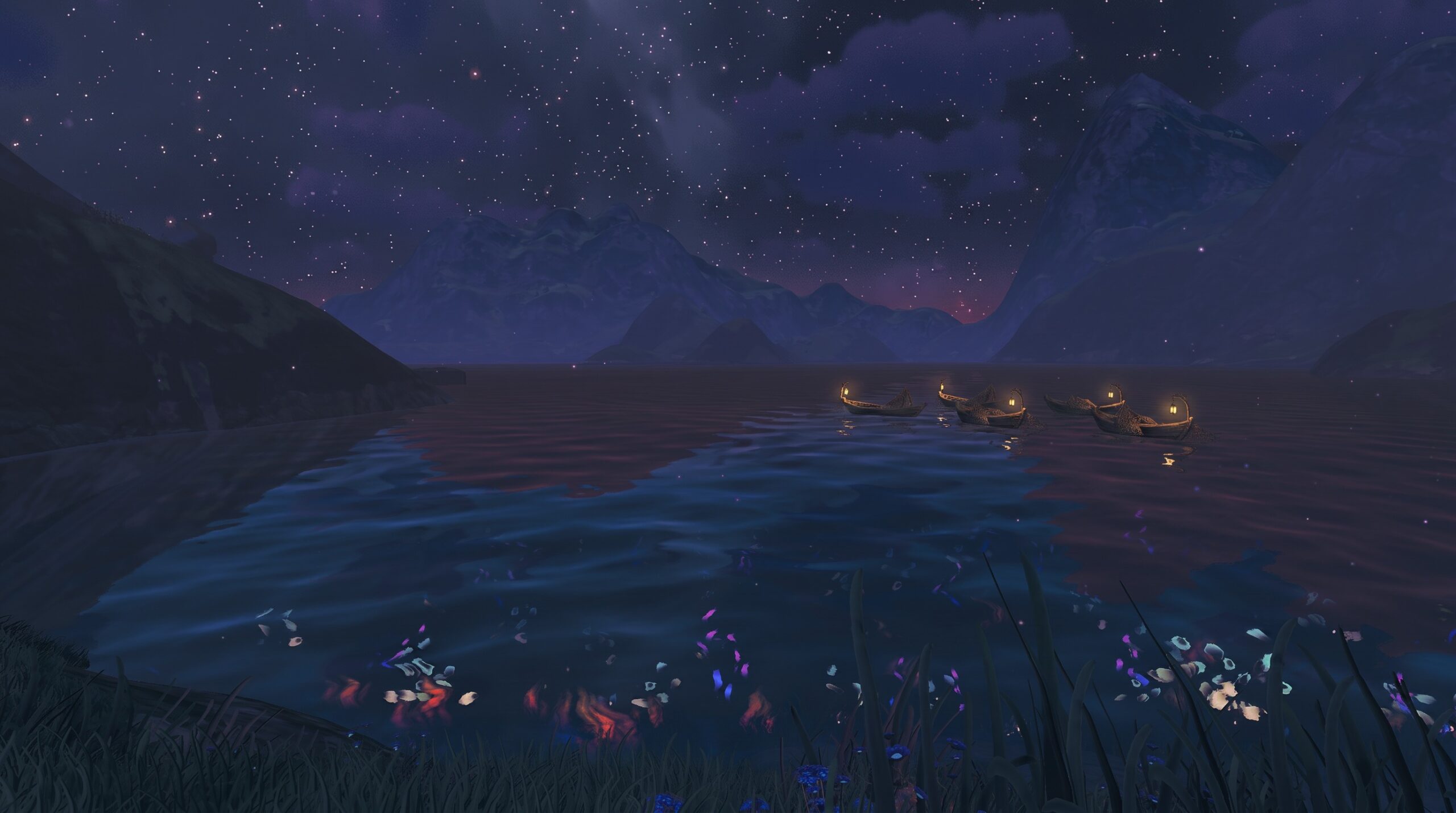
A detailed breakdown of the technique that defines spring and summer fishing on Olar. The FisherGek deploy nets using any of several recognized boat formations, then leave the vessel lights burning and step away. The key ecological fact that makes this work: Olar’s oversized insects are drawn to artificial light and settle in dense clusters on the water surface, which in turn draws fish upward to feed. Because the fish come to the light-gathered insects on their own, no bait or active lure is required. The net does its work passively, and the fisher is free to pursue other tasks, errands, or rest during the waiting period before returning to collect the net and bring the catch to market. Visitors should note that the boat formation chosen affects how the light pools spread across the water and how large an insect-gathering surface the crew can create.
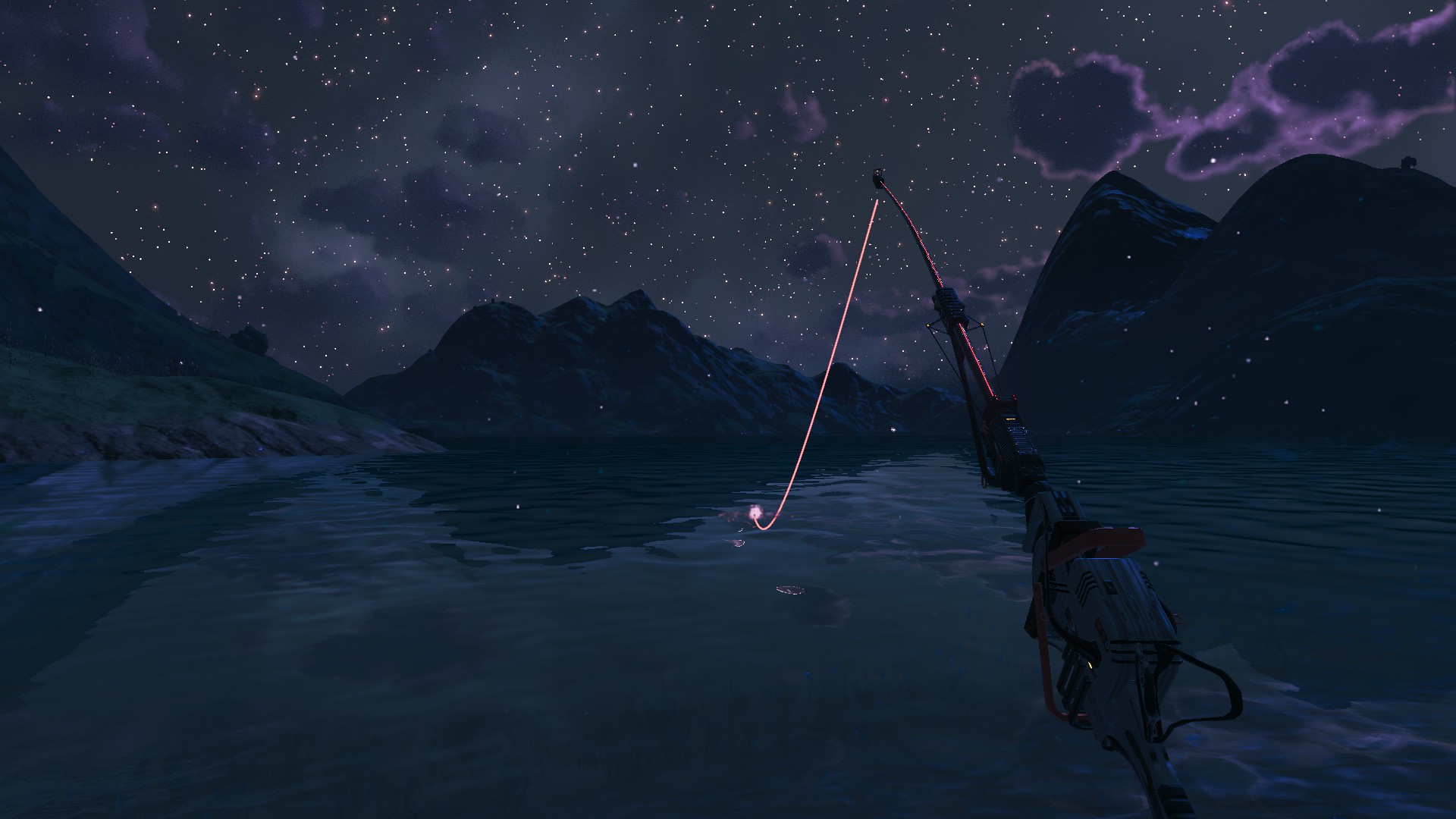
An account of the practice known as “the lonely cast,” which refers to a single-person fishing operation conducted outside the standard community hours observed by most FisherGek crews. Solo fishers who attempt this accept a different set of conditions: less light coverage, a smaller net spread, and the particular quiet of Olar’s waters when the group activity has stopped. The section explores why some FisherGek and visiting travelers are drawn to this mode, whether for solitude, personal challenge, or the chance to reach spots that crowded formation fishing cannot access. Practical advice covers what equipment a solo fisher needs, how to manage the net alone, and what to expect from the insect and fish behavior at off-hours when the light competition on the water is reduced.
An open-air space sitting at the summit adjacent to the main meditation center. The plaza was established fifteen years after the meditation center itself, conceived by the villagers as a communal resting point where anyone seeking quiet could come without ceremony or appointment. That founding intention still shapes the atmosphere. Nothing here demands performance or participation; the space simply receives whoever enters it. The traveler takes in the clean the unobstructed sightlines to the horizon, and the way the open sky seems to press gently downward, settling the chest and slowing the breath without any conscious effort on the visitor’s part.
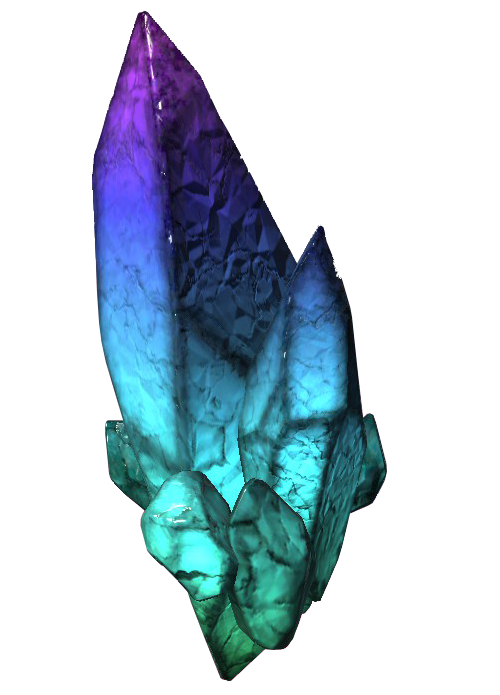
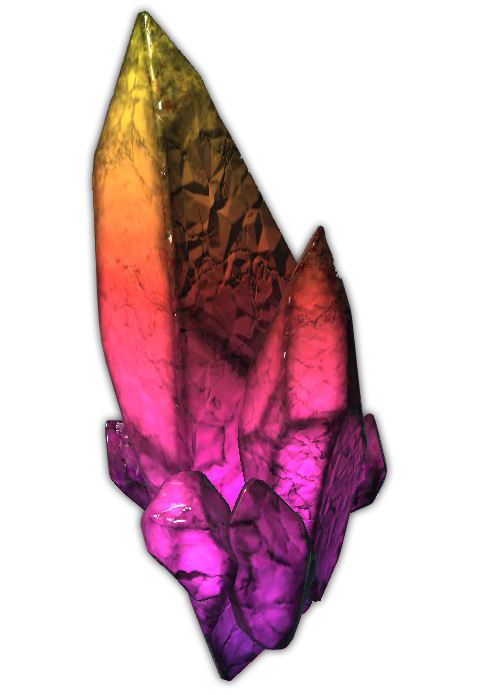
At the center of the plaza stands the large quartz formation, added to the space after the original founding as a deliberate upgrade to the plaza’s energetic environment. The crystal is not decorative in any conventional sense; it is functional. Scientific instruments have recorded the measurable calming frequencies the formation emits, and visitors consistently report feeling a low-level, settled resonance in the body when they move within its ambient field. The traveler approaches and notices the sensation: not dramatic, not disorienting, more like the way a room with good acoustics changes how sound feels in the ears. The quartz does its work quietly. The plaza neither explains nor advertises the effect; it simply lets the frequency environment do what it does, and attentive visitors notice on their own terms.

As afternoon light shifts toward evening, villagers begin arriving at the plaza in small groups and alone, shedding the weight of their working hours. This is the plaza’s oldest social function, the one that predates even the quartz installation: a place to stop, sit, and recover before heading home. The traveler watches locals settle onto the stone surfaces, faces loosening, shoulders dropping. Conversation, when it happens, is unhurried. The proximity to the meditation center means that the habits of stillness practiced inside that building spill outward into the plaza’s social life. Nobody rushes anyone. The traveler understands, watching this, that the plaza is not a tourist attraction dressed up as a local space; it is genuinely both, and the two uses coexist without friction because the quartz field and the open sky impose the same conditions on everyone who enters.
An open-air space sitting at the summit adjacent to the main meditation center. The elevation is immediate and physical: thinner air, wider sky, the village spreads far below. The plaza was established fifteen years after the meditation center itself, conceived by the villagers as a communal resting point where anyone seeking quiet could come without ceremony or appointment. That founding intention still shapes the atmosphere.
An open-air space sitting at the summit adjacent to the main meditation center. The elevation is immediate and physical: thinner air, wider sky, the village spreads far below. The plaza was established fifteen years after the meditation center itself, conceived by the villagers as a communal resting point where anyone seeking quiet could come without ceremony or appointment. That founding intention still shapes the atmosphere.